
Navigating Perimenopause: A Practical Guide to Managing Symptoms Through Nutrition and Lifestyle
Perimenopause can feel overwhelming. Hot sweats that wake you at 3am. Brain fog that makes you forget why you walked into a room. Mood swings that leave you questioning your sanity. And weight creeping on around your middle despite nothing changed in your diet or exercise routine.
The good news? You don’t have to white-knuckle through this transition. Understanding what’s happening in your body and making evidence-based changes now can mean the difference between a rocky ride and a smoother journey through perimenopause.
What’s Happening to Your Body in Perimenopause: The Hormonal Changes
Once you hit your 40s, your body begins a significant hormonal shift. This isn’t just about losing estrogen, it’s about the erratic fluctuations that create chaos:
Estrogen is your brain’s WiFi
Beyond reproduction, estrogen powers:
- Brain energy and focus
- Mood stabilisation
- Fat burning
- Bone health
When estrogen fluctuates wildly, you feel the effects everywhere, including energy crashes, mood swings, and stubborn weight gain around the middle
Progesterone is your calming friend
Produced mainly after ovulation, progesterone levels plummet at perimenopause. This ‘calming hormone’ is responsible for mood stability, quality sleep, and regulating your cycle.
Lose progesterone, and you lose your natural stress buffer. That’s why anxiety, irritability, and restless sleep become hallmarks of perimenopause.
Physical Symptoms You Might Be Experiencing
Your body speaks a language during perimenopause. Common physical symptoms include:
- Hot flushes and night sweats that drench your sheets
- Irregular periods or heavy bleeding that disrupts your schedule
- Vaginal and urinary discomfort, including more frequent UTIs
- Joint aches, headaches, and weight gain (especially around the middle)
- Trouble sleeping, even when you’re exhausted
- Fatigue and low libido that makes you wonder where ‘you’ went
Emotional & Cognitive Symptoms
Perimenopause isn’t just physical, hormonal changes affect your mind too:
- Mood swings and irritability that surprise you
- Low mood or feelings of overwhelm without clear reason
- Brain fog and memory lapses that feel alarming
- Anxiety and increased stress sensitivity (without progesterone’s buffering effect)
- Difficulty with emotional regulation that leaves you feeling vulnerable
Taking Control: Your 5-Point Perimenopause Strategy
You can’t stop perimenopause, but you can significantly reduce symptoms and regain control through targeted nutrition and lifestyle changes. Here’s how:
-
Stabilise Your Blood Sugar (The Foundation)
During perimenopause, your body becomes less sensitive to insulin. As estrogen dips, blood sugar swings become more pronounced, leading to energy crashes, cravings, and weight gain – especially around the belly.
Why this matters:
Stable blood sugar protects your metabolism, maintains insulin sensitivity, supports heart health, and protects mood, energy, and sleep quality.
How to implement:
Assemble your meal plates to include:
- A protein source (fish, eggs, legumes, tofu, lean meat)
- Healthy fats (olive oil, avocado, nuts)
- Slow releasing carbohydrates with fibre (whole grains,non starchy vegetables, low glycaemic fruit)
This combination slows sugar absorption and keeps energy steady throughout the day.
2. Eat Enough Protein (Combat Muscle Loss)
Perimenopause accelerates loss of muscle mass & strength due to the hormonal changes at perimenopause . Protein is your defense.
Studies show women in perimenopause need more protein than they did in their younger years to counteract hormonal shifts and maintain muscle. Aim for 1.5-2.2g of protein per kilogram of body weight, spread across 3-4 meals daily.
Best sources:
- Tofu and tempeh
- Legumes and pulses
- Eggs
- Lean meat and fish
- High-quality protein powders (preferable limited to one meal daily)
Avoid ultra-processed high-protein bars and cereals, focus on whole food sources first.
3. Increase Your Fibre (Support Gut & Hormones)
Fibre acts as a gentle support system during perimenopause, working on multiple fronts:
Gut health and mood:
Your gut microbiome thrives on fibre, which reduces inflammation, boosts serotonin production (your happy hormone), and strengthens the gut-brain connection to ease mood dips and brain fog.
Blood sugar control and weight management:
fibre slows sugar absorption, keeping levels steady. It also supports satiety, so you feel fuller longer and avoid cravings and belly fat buildup.
Heart health:
As estrogen’s protective effects wane, fibre helps by lowering cholesterol and reducing inflammation.
Bone health:
Fibre supports nutrient absorption for calcium and magnesium, indirectly protecting bone density.
Target: Aim for 30g of fibre daily from mixed sources :
oats, chia & flaxseeds for breakfast; chickpeas,
roasted vegetables & rocket leaves for lunch;
sweet potato with skin, broccoli, cauliflower & peas or edamame beans for dinner).
If your current intake is low, build up gradually with plenty of water to avoid gas.
-
Strength Training (Build Resilience)
Adding resistance training to your weekly routine is one of the best lifestyle changes you can make during perimenopause.
Strength training:
- Mitigates muscle loss and bone density decline
- Boosts fat burning at a time when metabolism naturally slows
- Improves body composition
- Increases self-esteem, confidence, and energy
- Builds willingness to engage in new challenges
You don’t need hours at the gym each day. Consistent, purposeful strength work 2-3 times weekly makes a measurable difference.
5. Stress Management & Resilience (The Glue)
Without progesterone’s buffering effect, you’re more susceptible to cortisol (your stress hormone). This is where intentional stress management becomes non-negotiable.
Simple practices that work:
- Spend more time outdoors and in nature
- Prioritise time with friends
- Make time for a relaxing bath
- Prioritise sleep and go to bed earlier
The key insight:
Just one calming activity per day helps shift your nervous system from ‘fight or flight or freeze’ into ‘restore and repair’ mode.
When You Need Extra Support
Every woman’s perimenopause journey is different, but if you have a history of PMS, existing hormonal imbalances (thyroid conditions, PCOS), or digestive issues (IBS), your perimenopause symptoms may be more intense.
A Proactive Approach to Perimenopause
Perimenopause frequently coincides with demanding life stages: teenage children, aging parents, work responsibilities. The hormonal changes add another layer.
This is an opportunity, not a crisis. Moving into your forties is the perfect time to take a proactive and compassionate approach to your health. You’re investing in your wellbeing through nourishing food, purposeful exercise, and lifestyle changes that create balance and resilience.
You get to move through this transition feeling stronger, more energised, and more in control, not less.
How I Can Help
If you’re experiencing perimenopause symptoms that you’ve been managing or ignoring, or if you’re confused about supplements and whether HRT is right for you, personalised support makes a real difference.
Working together, I can provide:
- Personalised dietary recommendations tailored to your symptoms
- Exercise routines that support your body during this transition
- Evidence-based supplement recommendations (not what’s trending on Instagram)
- Hormone level and thyroid testing to inform your protocol
- Guidance on whether HRT is right for you
Get in touch
If the symptoms described above resonate with you and you feel you’d benefit from a personalised roadmap through perimenopause, get in touch to discuss how we can work together.
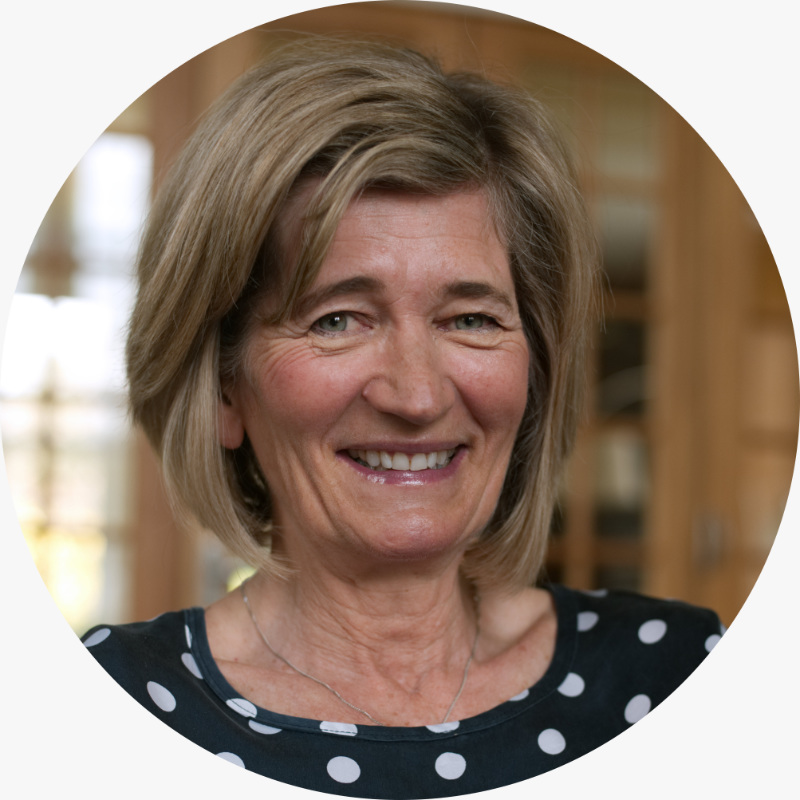
Angela Loftus BSc, PGDip, DipION, CFMP, BANT, CNHC – a fully qualified Nutritional Therapist and Certified Functional Medicine Practitioner based in Chorleywood, Hertfordshire, UK.
Angela Loftus BSc, PGDip, DipION, CFMP is a fully qualified Nutritional Therapist and Certified Functional Medicine Practitioner registered with BANT (British Association for Nutrition and Lifestyle Medicine) and CNHC (Complementary and Natural Healthcare Council). She is based in Chorleywood, Hertfordshire and works with clients both in person and online across the UK.Angela graduated as a Nutritional Therapist from the Institute for Optimum Nutrition in 2015 and as a Certified Functional Medicine Practitioner in 2021. She has spent ten years working with over 1,000 clients across a wide range of complex and chronic health conditions, with a specialism in female hormone health including perimenopause, menopause, PCOS, thyroid conditions and gut health.
Functional lab testing is central to the way Angela practises. As a Certified Functional Medicine Practitioner she uses testing to move beyond symptom management and identify the specific biochemical imbalances driving each client’s condition, whether hormonal, nutritional, thyroid-related, or digestive.
She works with a range of testing laboratories in both the UK and the US, facilitates quality-assured testing for her clients, and interprets all results personally. Every test recommendation is made on clinical grounds, she will only suggest testing where she believes it provides a genuine advantage in developing a more targeted and effective programme for that individual client.
